
Japan's Question and the AFC's Silence: Where the Real Stake Lies in the 2027 Asian Cup Hosting Debate
**मुख्य उत्तर** जापान फुटबॉल संघ के अध्यक्ष त्सुनेयासु मियामोटो ने सार्वजनिक रूप से कहा कि सऊदी अरब में 2027 एशियाई कप कराना आसान नहीं होगा। यह बयान 25 अक्टूबर 2026 की सुरक्षा घटनाओं के बाद आया, जबकि AFC ने अब तक कोई आधिकारिक प्रतिक्रिया नहीं दी है। **मुख्य तथ्य** - एशियाई कप 2027 का प्रकाशित कैलेंडर: 7 जनवरी से 5 फरवरी 2027, कुल 24 टीमें, 30 दिन। - 25 अक्टूबर 2026 को जेद्दा, ताइफ़, राबिग़ और वादी अल-मुग़म्मस में मलबा गिरा और हवाई अड्डे के टर्मिनल बंद हुए। - मियामोटो ने सऊदी पक्ष के साथ पूर्व द्विपक्षीय बैठक की पुष्टि की और सुरक्षा को साझा प्राथमिकता बताया। - डकार रैली के 2027 संस्करण का स्थान बदलने की पुष्टि हो चुकी है — यह चिंता नहीं, निष्पादित निर्णय है। - AFC का कोई आधिकारिक बयान रिकॉर्ड पर नहीं है; सूचना-श्रृंखला अल जज़ीरा से क्षेत्रीय आउटलेट तक है। **स्रोत** अल जज़ीरा की रिपोर्ट, वीवीए (VIVA) के हवाले से प्रकाशित; घटना की तारीख 25 अक्टूबर 2026। सुरक्षा घटनाओं और उड़ान बहाली के बारीक विवरण स्वतंत्र सत्यापन के अधीन हैं। **संबंधित प्रश्न-उत्तर** प्रश्न: क्या 2027 एशियाई कप सऊदी अरब में ही होगा? उत्तर: प्रकाशित कैलेंडर के अनुसार हाँ, लेकिन AFC ने सुरक्षा-आश्वासन पर कोई सार्वजनिक पुष्टि नहीं दी है, इसलिए तारीख़ को अंतिम नहीं, इरादा माना जाना चाहिए। प्रश्न: मियामोटो के बयान का व्यावहारिक असर क्या है? उत्तर: यह सुरक्षा चिंता का दस्तावेज़ी रिकॉर्ड बनाता है, जो मानक महासंघ प्रक्रिया के तहत औपचारिक समीक्षा या तकनीकी निरीक्षण को मजबूर कर सकता है। प्रश्न: सबसे मज़बूत जोखिम-संकेत कौन सा है? उत्तर: डकार रैली 2027 का स्थानांतरण, क्योंकि यह सिद्ध करता है कि निकास-मार्ग व्यावहारिक रूप से उपलब्ध और वहनीय हैं।
Hook
Reports of debris reaching four Saudi cities — Jeddah, Taif, Rabigh and Wadi Al-Mughammas — and of airport terminals being suspended arrived on 25 October 2026. That same evening, in Ahmedabad, I was reading a thoroughly dull document: the published calendar for the AFC Asian Cup 2027. Twenty-four teams, thirty days, 7 January to 5 February 2027. From the day the debris fell to kickoff, seventy-four days remained.
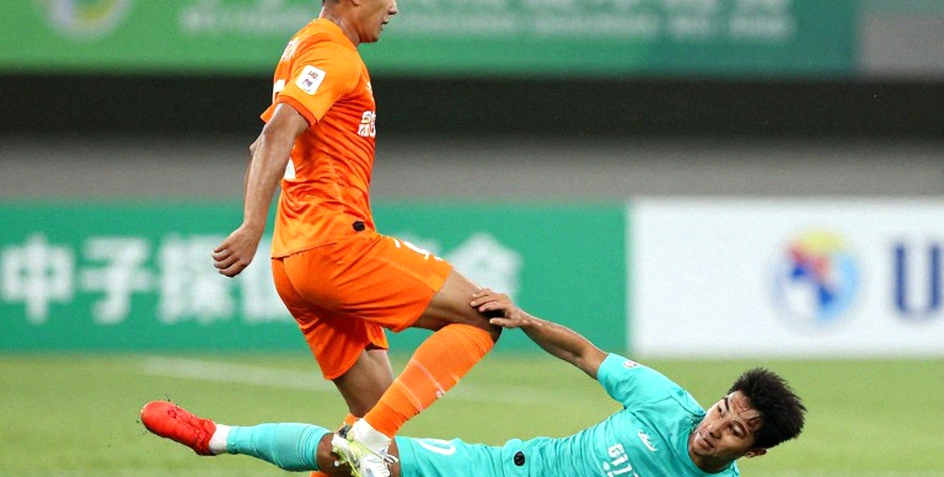
Seventy-four days is the window in which national teams normally lock their training camps, acclimatisation blocks and friendly fixtures. The date is printed. No question has been raised about the host. And then Tsuneyasu Miyamoto, president of the Japan Football Association, said publicly that it would not be easy to hold the Asian Cup there. That sentence is the hinge of this story, and understanding it requires looking at documents and timelines rather than at a pitch.
Context
Miyamoto's remark did not arrive out of nowhere. He anchored his concern in a safety premise, disclosed that a bilateral meeting with the Saudi side had already taken place, and named the safety of players and supporters as a shared priority. The sequencing matters. Between 2026 and 2026 I worked as Director of Communication and Media at the All India Football Federation, and there I learned that institutions never open with risk. First comes private contact, then the language of shared priority, and only after that a public assessment. Miyamoto followed exactly that order. When a president speaks after completing that sequence, the output is an institutional position rather than a comment.
The tournament format sharpens the stakes. Twenty-four teams across thirty days and multiple host cities bring not only matches but twenty-four delegations, officials, broadcasters, sponsors and travelling supporters. A single-city, single-venue event has a compressed security perimeter. A multi-city, multi-terminal event multiplies that perimeter, and the airport becomes its most fragile joint.
One further fact sits underneath all of this and has received too little attention. The 2027 edition of the Dakar Rally has been confirmed as relocating. That is not a statement of concern; it is an executed decision. A rights-holder ran the calculation and chose the exit.
Core Analysis
Read technically, this is not a contest but an event-feasibility problem. There is no xG here, no pressing trigger, no formation debate. The only structural variable available is the shape of the tournament: twenty-four teams, thirty days, fixed dates. That shape carries a heavy fixed footprint — stadiums, training bases, internal flights, hotel blocks, security deployment. Any security shock strikes that fixed footprint first.
Geometrically, a twenty-four-team event opens a large surface area, and securing it is far harder than securing a single-city event. The airport is decisive because it is binary: it works or it does not. Once terminal suspension is reported, the argument ends; what remains is only the question of how many days an alternative routing takes.
The third variable is the preparation cycle. National associations typically lock camps, acclimatisation periods and friendly calendars nine to fourteen months before a continental finals. In late October 2026 they sit inside that window. Here I think of my rehab notebook — I kept a rehab notebook, and it kept teaching me about half-spaces. In rehab the biggest threat is not the injury but the slip in schedule. One week of delay rewrites the entire protocol. Tournament preparation obeys the same arithmetic. Hosting uncertainty lands directly on player performance, and no federation measures that publicly.
Financially, the real asymmetry lies not in cost but in the question of who absorbs it. The host has committed money that will not return. The confederation carries reputational and contractual exposure. Under normal conditions that asymmetry favours the host, because the price of exit can be pushed onto the other party. The Dakar case changes the arithmetic: it demonstrates that exit is operationally executable and that contracts contain workable routes. Where one organiser moves, everyone else is rerunning the same sum.
The reporting chain deserves honesty as well. This story reaches us through a regional outlet relaying Al Jazeera, with no on-record AFC statement. The spread of debris across Jeddah, Taif, Rabigh and Wadi Al-Mughammas, and the terminal-by-terminal resumption of flights, are details to be verified rather than settled facts. Holding that distinction is necessary, otherwise analysis runs ahead of the report.
And one thing sits beyond the camera: the best football culture stories begin where the broadcast camera stops. Hotel blocks, flight slots, security-assurance clauses — that is the scaffolding a tournament stands on. Empty stadiums do not silence the game; they expose its scaffolding. The AFC's silence right now is precisely that — not an absence but an exposure.
Contrarian Angle
Everyone is watching Miyamoto's quote. My reading differs: the hardest signal in this story is the Dakar Rally, and the most under-priced risk is not relocation but degraded staging.
First. A statement is an opinion; Dakar is an executed decision. When a rights-holder breaks a contract and changes location, it proves that exit routes exist and that their price is bearable. Every other rights-holder's bargaining position strengthens accordingly. The crowd is calling Miyamoto's sentence the trigger, when the trigger is the contractual fact that has already occurred.
Second, and more important. The scenario for which there is the least preparation is not relocation — relocation is visible, debatable, it trends. The real risk is that the tournament happens where it is scheduled, but in diminished form: late-confirmed hosting, a tightened security perimeter, suppressed supporter travel, cautious sponsor activation, and preparation in which teams select camps by reading travel advisories. That scenario never reaches a front page, and it damages the quality of the football most.
Third, easy to dodge. A published schedule is not a plan; it is a pressure map waiting to be read. 7 January 2027 exists on paper. What signs it is a security assurance, not a date.
Takeaway
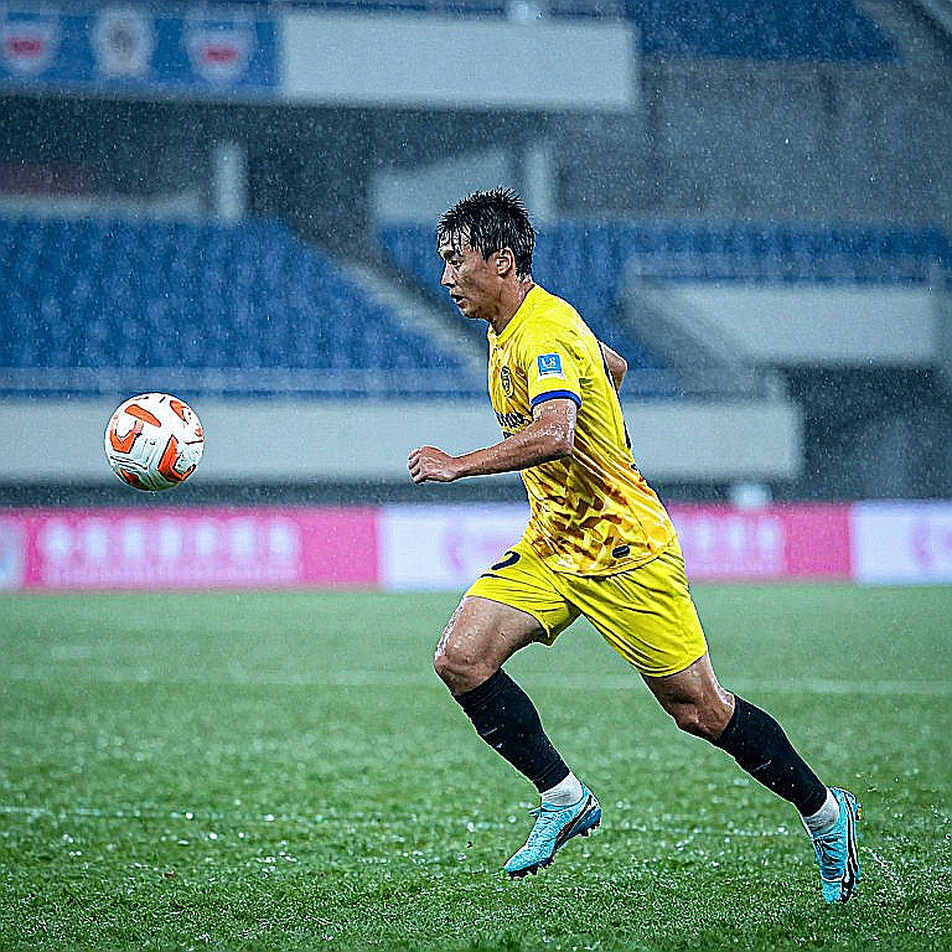
I leave one hard, checkable condition. If by 30 November 2026 the AFC has not announced a technical or security inspection, and has not convened an extraordinary Executive Committee session, then my hypothesis — that this statement has forced a formal review — will be shown to be weak.
Next time a federation president questions a host, do not ask first why he said it. Ask who speaks second, and how many days the AFC stays quiet. The duration of the silence is the real indicator.