
Indian Wrestling's New Era: Betting on Youth, Changing Strategy for the Olympic Cycle
मुख्य उत्तर: भारतीय कुश्ती की नई रणनीति युवा पहलवानों को लंबे ओलंपिक चक्र के लिए तैयार करने, राष्ट्रीय शिविरों में खेल विज्ञान को बढ़ाने, महिला कुश्ती की गहराई मजबूत करने और प्रशासनिक पारदर्शिता पर केंद्रित है। प्रमुख चुनौतियों में वजन प्रबंधन, चोट प्रबंधन, अंतरराष्ट्रीय एक्सपोजर, ग्रासरूट टैलेंट स्काउटिंग और महिला पहलवानों के लिए सुरक्षित माहौल शामिल हैं। सफलता के लिए चयन प्रक्रिया पारदर्शी, प्रशिक्षण वैज्ञानिक, खिलाड़ी कल्याण मजबूत और राज्य स्तर पर प्रतियोगिताएं निरंतर होनी चाहिए।
Indian wrestling is passing through an important transition. The legacy of traditional akharas, public expectations of Olympic medals and a changing administrative setup are together shaping a new management framework. The growing presence of young wrestlers in national camps, the use of scientific training and the involvement of sports science teams indicate that the next Olympic cycle will depend not only on experience but also on continuity and depth. This change is as much about administration, selection processes and athlete welfare as it is about performance.
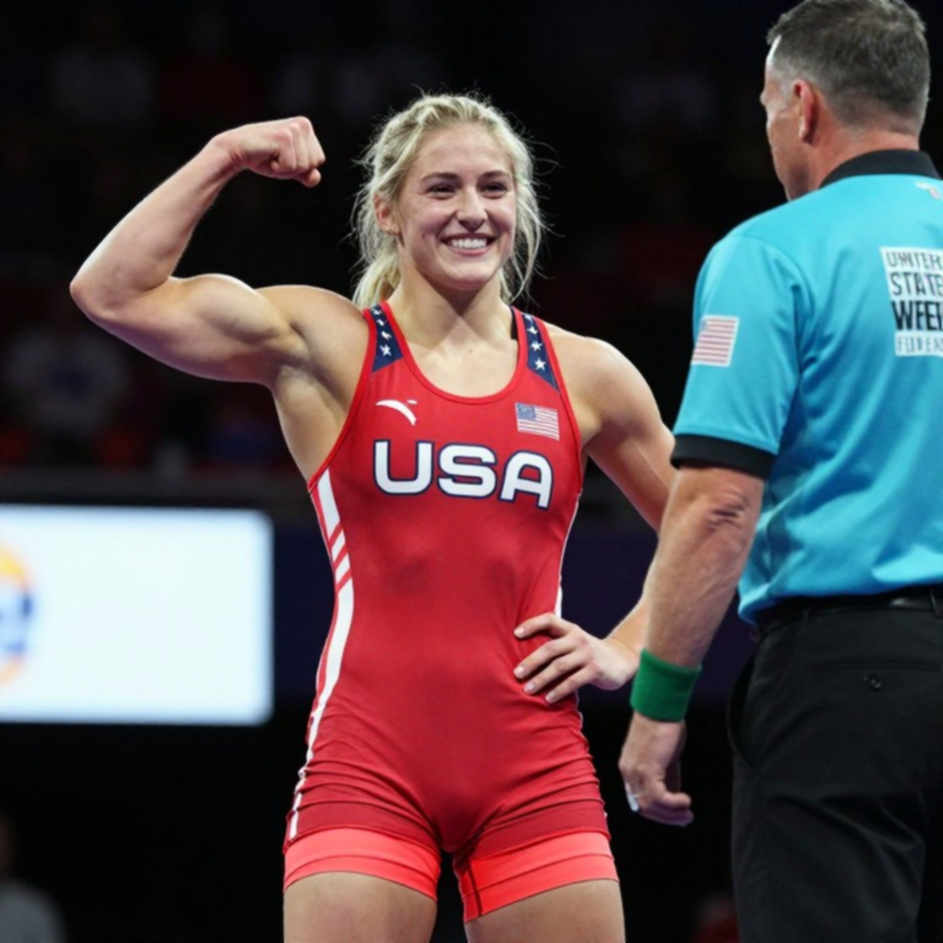
For years, Indian wrestling has been discussed mainly around a few big names. Wrestlers such as Bajrang Punia, Vinesh Phogat, Sakshi Malik, Ravi Dahiya and Deepak Punia brought international recognition. But after every Olympic cycle, the same question returns: where will the next generation come from? Administrators and coaching staff are now trying to answer that question in a planned way. The growing role of young wrestlers such as Aman Sehrawat and Antim Panghal shows that Indian wrestling is gradually moving towards a balance between experience and youthful energy.
The first pillar of the new strategy is a stronger talent pipeline. Selection should no longer depend only on performance in a few major events. Wrestlers who perform consistently at district, state and national levels are being prepared through longer camps. The aim is to ensure that the pressure does not fall on a single generation. When wrestlers in the 17 to 23 age group are taught international-level technique, endurance and mental strength, a base is created for the next two Olympic cycles.
National camps are also changing. Earlier, camps were seen mainly as spaces for akhara-style practice, moves and fitness. Now strength conditioning, mobility, recovery, nutrition and video analysis are being added. Coaches are watching how a wrestler's body responds to training, which moves cause more fatigue and which positions raise injury risk. Training is therefore moving from guesswork to data and observation.
Sports science is central to this shift. Wrestling is a contact sport, so injury and fatigue management are essential. Physiotherapists, nutritionists, sports psychologists and trainers plan together to prepare wrestlers for long seasons. Sleep, hydration, body composition and recovery are being monitored. This is especially important for young wrestlers who are entering the international circuit for the first time.
Weight management is an old and sensitive challenge in Indian wrestling. Many wrestlers get trapped in rapid weight-cutting cycles at a young age, affecting their health and performance. The new approach treats weight management as a season-long plan rather than an emergency process before competition. Nutritionists set diets according to weight category, metabolism and training load. This helps wrestlers remain more energetic and stable on competition day.
Women's wrestling has gained depth in India in recent years. Antim Panghal and other young wrestlers have shown that there is no shortage of talent. But turning this depth into lasting strength requires regular state-level competitions, consistent coaching quality and a safe environment. The availability of women coaches, physios and support staff for women wrestlers is also an important issue.
A safe and trustworthy environment for women athletes is not just an administrative formality. It directly affects performance. When a wrestler trusts that her complaint will be heard and her privacy protected, she can focus on training. This requires complaint redressal systems, codes of conduct and regular awareness sessions at camps and competitions. Sports bodies must ensure that policies do not remain only on paper.
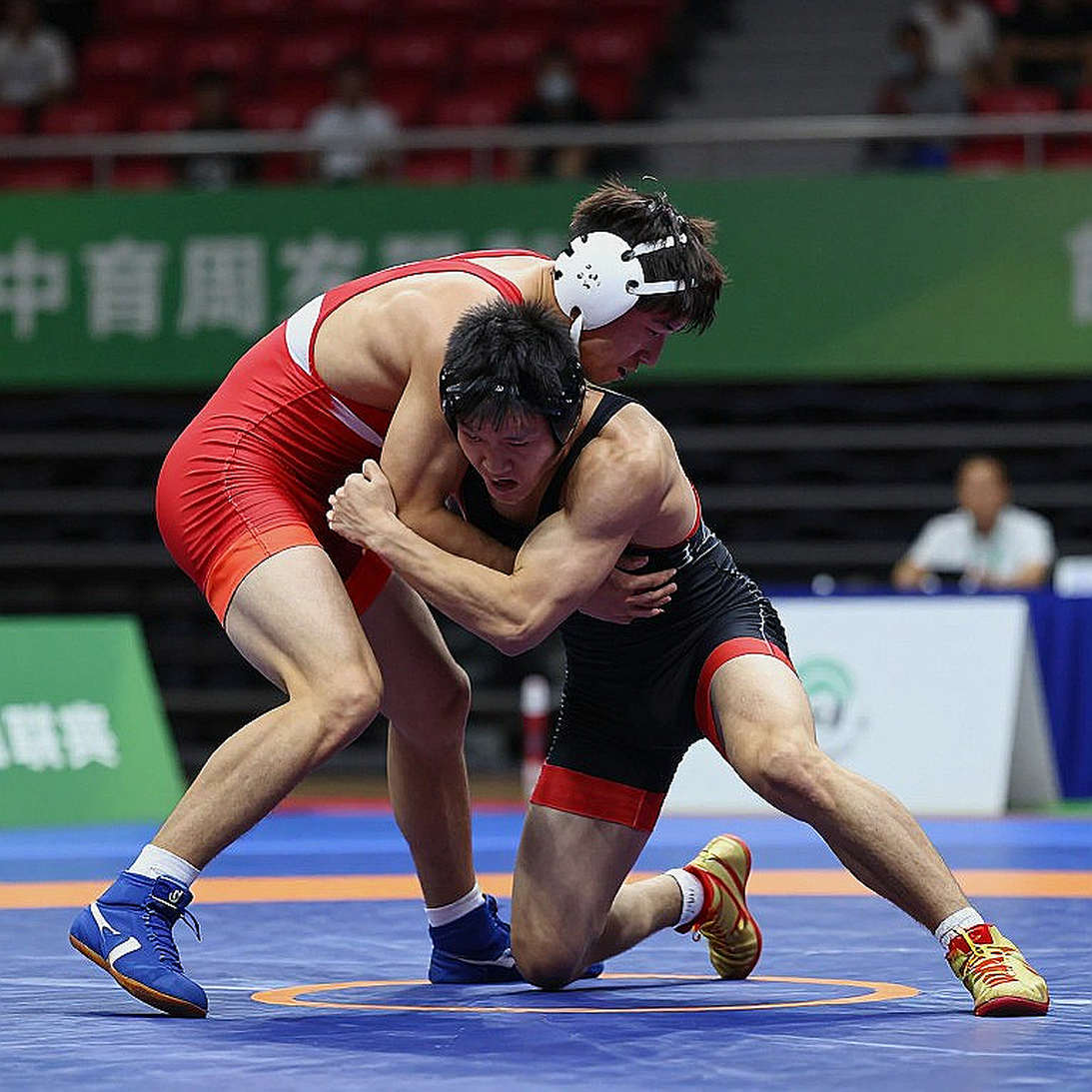
In men's freestyle, India's traditional strength has been in middle and heavier weight categories, but competition is also rising in lighter divisions. The progress of young wrestlers such as Aman Sehrawat has raised hopes. The need is to have at least two or three wrestlers in every weight category close to international benchmarks. This reduces pressure around injury, form and selection and keeps competition healthy.
Greco-Roman remains a difficult area for India. This style demands different technical discipline, grip and body balance. Young wrestlers need separate preparation for Greco-Roman because switching directly from freestyle is not always easy. Specialised state camps, technical clinics with foreign coaches and more international competitions can strengthen this category.
At the grassroots level, akharas remain the backbone of Indian wrestling. Many talents still emerge from traditional akharas in villages and small towns. But they need to be connected with modern training, nutrition and medical support. Linking akharas with sports science does not mean ending tradition. It means adding modern understanding to traditional discipline. This will help rural talent reach bigger platforms.
Wrestling also needs to be popularised at school and college levels. Most wrestlers enter the sport through family tradition or personal interest, but organised school leagues can widen the talent pool. Schemes such as Khelo India should reach districts where wrestling has a tradition but resources are limited. Small tournaments, fitness tests and digital coach reports can help talent scouting.
Data-based talent identification is becoming an important tool. Records of age, weight category, strength, speed, flexibility and competition performance will bring transparency to selection. This will also show which states have depth in which weight categories and where special support is needed. But data must be used for athlete welfare, not merely to complicate selection.
Coaching education and certification also need attention. A good wrestler is not automatically a good coach. Modern wrestling requires coaches to understand technique, physiology, injury management and mental preparation. Regular refresher courses, workshops with foreign experts and assistant roles for young coaches in national camps can improve coaching quality. This will help modern training reach smaller states.
International exposure is not only about foreign travel. It means competing against wrestlers with different styles and rule interpretations. Regular competition against European and Central Asian wrestlers gives Indian athletes a chance to improve grip, balance and strategy. Foreign training camps, bilateral series and ranking tournaments are useful. But selection for these must be based on performance and need, not formality.
Olympic qualification is now a long, phased process. Wrestlers earn places through World Championships, continental qualifiers and rankings. This means the entire cycle must be planned in advance. Which wrestler should compete in which tournament, when to rest and when to push for maximum competition are key strategic questions. Depending only on the final qualifier is risky.
Competition calendar balance is also important. More competitions provide experience, but constant travel and weight management increase fatigue. Coaches and sports science teams must decide which tournament is a priority for each wrestler. Young wrestlers should focus on phased development rather than maximum competition at every age level. This increases the chances of a long career.
Funding and infrastructure remain uneven. Some states have good akharas, gyms and recovery facilities, while many areas lack basic support. Resources concentrated in national camps do not reach the whole country. Regional training centres can be created at state level to give local wrestlers access to modern facilities. Such centres will also strengthen the talent selection base.
Injury management and rehabilitation must be prioritised. Knee, shoulder, back and skin problems are common in wrestling. Many wrestlers are out for long periods because of delayed treatment or inadequate recovery. Every major camp should have physiotherapists, doctors and recovery facilities. Injury reporting must also become normal so that wrestlers can speak about problems without fear.
Mental health must be discussed openly. Wrestling carries pressure related to weight, selection and expectations. Many young wrestlers feel isolated after defeat. Regular access to sports psychologists, peer support and family involvement can reduce this pressure. Coaches must understand that mental strength is not only about toughness but also about balance and support.
Anti-doping awareness and the integrity of sport are also important. Wrestlers need clear information about supplements, medicines and treatment rules. Even unintentional use of a banned substance can damage a career. Regular education sessions, clear information systems and strong medical advice are necessary. Sports bodies must send a clear message that cleanliness and transparency will not be compromised.
At the administrative level, both transparency and continuity are needed. Selection rules, camp criteria, coach responsibilities and financial expenditure should be clear. When athletes know the basis of selection, dissatisfaction decreases. A written roadmap and monitoring committee can help ensure that long-term plans do not stop during administrative changes.
Athlete participation in decision-making should increase. Wrestlers can explain what facilities are missing in camps, what problems arise in weight management and how tiring travel arrangements can be. Committees with athlete representation can bring these issues forward. Policies will become more practical and trust will improve.
Media and fan expectations also need management. Indian wrestling is expected to win medals at every major tournament. This expectation makes the sport popular but also puts pressure on young wrestlers. Performance should not be judged only by medals. Improvement, competition and long-term progress must also matter. This will create a healthier environment.
Fans also need patience. Not every young wrestler can win an international medal immediately. Some need two or three seasons. If public criticism after defeat is excessive, athletes will avoid taking risks. Healthy discussion and constructive analysis benefit the sport more. Media should also focus on technical aspects, not only results.
Sponsorship and brand partnerships can help wrestling, but accountability must come with funding. Money should be spent on nutrition, medical care, equipment and international exposure. Investment in local akharas and special programmes for women wrestlers will broaden the base. Investing only in top athletes will limit long-term gains.
Increasing women's participation also requires social effort. Many families still hesitate to let daughters enter wrestling. Local success stories, safe hostels, women coaches and transport facilities can reduce this hesitation. When talent from rural areas enters the sport, national team depth will grow automatically. Women's wrestling should be seen not only as a medal project but as a social change.
Young wrestlers in rural areas face different challenges. Lack of proper nutrition, suitable shoes, safe travel and regular competition can slow progress. If a wrestler does not even know when a national-level event is scheduled, talent cannot be used properly. Local administration, schools and sports bodies must work together to provide information and resources.
Performance measurement should also be clear. Beyond wins and losses, technical improvement, fitness levels, return from injury and consistency in big matches should be measured. An individual development plan can be made for each wrestler. Coaches and sports scientists should review progress every quarter. This will show where improvement has happened and where extra help is needed.
A clear roadmap is needed for the next Olympic cycle. The first phase can focus on talent identification and basic fitness, the second on international exposure, the third on qualification and the fourth on special preparation for medals. Each phase should have a timeline, responsibility and review system. This will keep the plan from remaining only an announcement.
The real strength of Indian wrestling is its tradition and grassroots talent. But modern sport requires a balance between tradition, science, administration and athlete welfare. Betting on young wrestlers is the right direction, provided they get time, safety and proper guidance. If selection is transparent, training is scientific and opportunities are continuous, Indian wrestling can maintain a strong international presence in the coming decade.
The success of this change will not be measured by one standard alone. It will be measured by how many young wrestlers consistently reach major tournaments, how many women wrestlers move from state level to the national team and how many athletes return strongly after injury. Medals matter, but they rest on a strong and fair system. Indian wrestling must move in that direction.
संबंधित खिलाड़ी
अनुशंसित
Indian Wrestling's New Era: Betting on Youth, Changing Strategy for the Olympic Cycle2026-10-28
The Price of 100 Grams: Vinesh Phogat, Paris, and India's Weight-Cut Culture2026-10-26
The Hundred Grams on the Scale: Inside Indian Wrestling's Weight-Cut Machine and the Wrestler Left Alone in It2026-10-23
Wrestling's Real Transfer Window Isn't on the Mat — It's in the Railways and Army Recruitment Lists2026-10-24
Six Entries, One Medal: Auditing Indian Wrestling's Off-Season Ledger2026-10-24
अनुशंसित
Wrestling's Real Transfer Window Isn't on the Mat — It's in the Railways and Army Recruitment Lists2026-10-24
Eight Medals, Five Seasons, One Empty Akhada: The Ledger Audit of Indian Wrestling2026-10-24
The Hundred Grams on the Scale: Inside Indian Wrestling's Weight-Cut Machine and the Wrestler Left Alone in It2026-10-23
Twelve Medals and an Empty July: Wrestling Will Have No Mat in Glasgow 20262026-10-24
The Price of 100 Grams: Vinesh Phogat, Paris, and India's Weight-Cut Culture2026-10-26
अनुशंसित
50.1 kg: The Hundred Grams That Weighed the System, Not the Medal2026-10-23
Six Entries, One Medal: Auditing Indian Wrestling's Off-Season Ledger2026-10-24
Wrestling's Real Transfer Window Isn't on the Mat — It's in the Railways and Army Recruitment Lists2026-10-24
Wrestling's Transfer Window: The League Is Coming Back, But the Entry Sheet—Not the Auction—Decides Who Competes2026-10-24
Indian Wrestling's New Era: Betting on Youth, Changing Strategy for the Olympic Cycle2026-10-28